

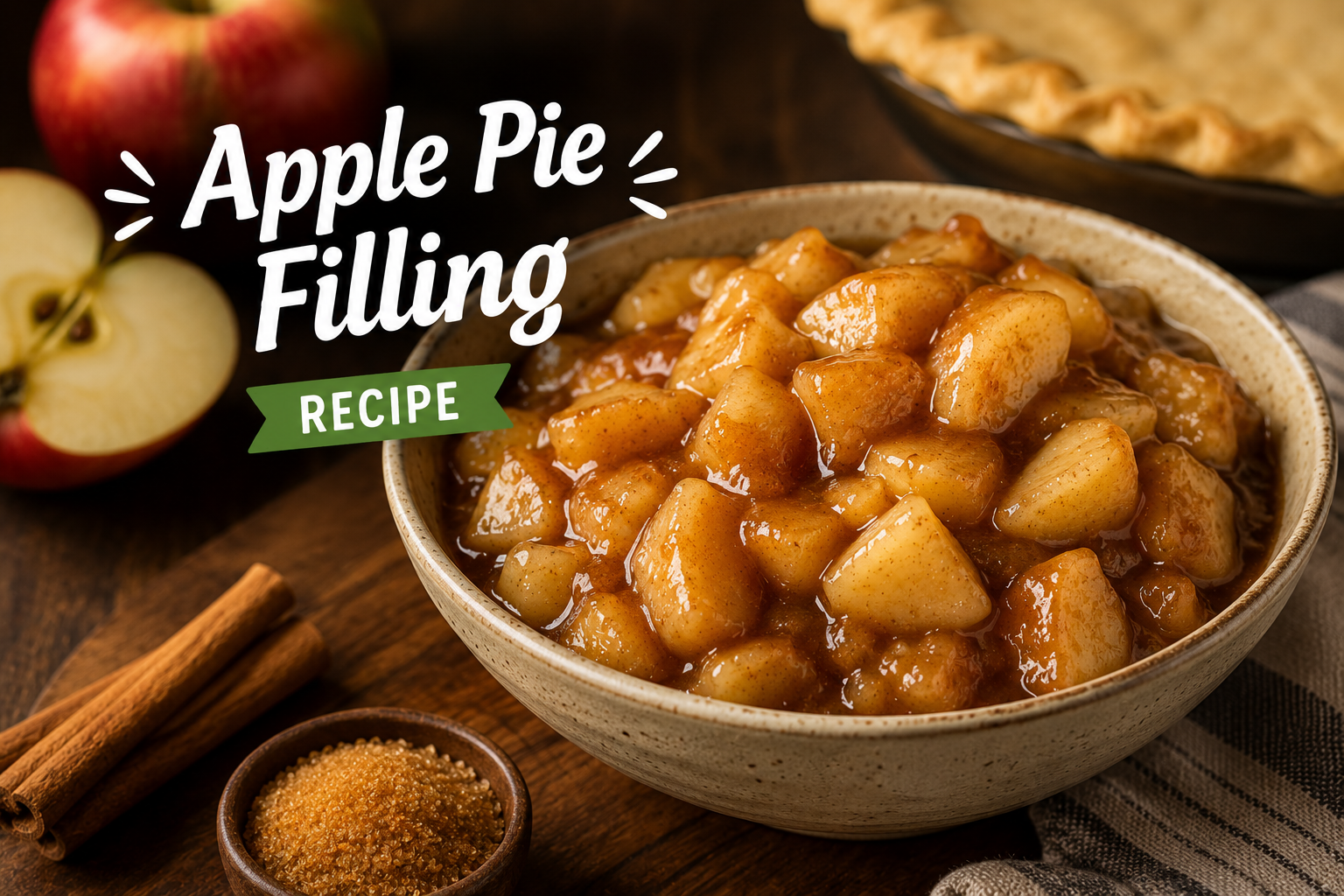
Apple pie is one of the most beloved desserts in the world, and the secret to a truly memorable pie lies in the filling. A great apple pie filling recipe creates the perfect balance of sweet apples, warm spices, and thick, flavorful sauce that holds everything together. Whether you are baking a classic apple pie, preparing dessert bars, making turnovers, or storing filling for future use, understanding how apple pie filling works can dramatically improve your results.
For generations, home bakers have relied on simple ingredients such as fresh apples, sugar, cinnamon, butter, and thickening agents to create rich and satisfying fillings. Today, countless variations exist, but the fundamentals remain largely unchanged. Learning the details behind a successful filling can help anyone create bakery-quality desserts at home.
| Key Facts About Apple Pie Filling Recipe | Details |
|---|---|
| Main Ingredient | Fresh apples |
| Common Sweetener | Granulated sugar |
| Traditional Spice | Cinnamon |
| Additional Spices | Nutmeg, allspice |
| Thickening Agents | Cornstarch or flour |
| Typical Use | Pies, pastries, desserts |
| Best Apple Types | Granny Smith, Honeycrisp |
| Storage Method | Refrigeration or canning |
| Preparation Time | 20–30 minutes |
| Popular Season | Fall and holidays |
What Is Apple Pie Filling?
An apple pie filling is a prepared mixture of sliced apples, sweeteners, spices, and thickening ingredients used as the center of apple pies and many other desserts. While the concept sounds simple, achieving the right texture and flavor requires attention to ingredient selection and preparation.
A properly made filling should be thick enough to stay inside the crust when sliced but not so thick that it feels gummy. The apples should remain tender while still retaining some texture. These characteristics are what separate an ordinary dessert from an exceptional one.
Many bakers search for the ideal apple pie filling recipe because the filling determines much of the pie’s overall flavor and consistency.
The History of Apple Pie Filling
Apple-based desserts have existed for centuries. Early European settlers brought apple-growing traditions to North America, where apple pies quickly became popular due to the abundance of orchards.
Historical recipes often used simple combinations of apples, spices, and natural sweeteners. As baking techniques evolved, cooks developed more sophisticated methods for thickening fillings and enhancing flavor.
Today, the traditional apple pie filling recipe remains a staple of family gatherings, holidays, and seasonal celebrations around the world.
Why Homemade Apple Pie Filling Is Better
Many grocery stores sell canned pie fillings, but homemade versions offer several advantages.
Better Flavor
Fresh ingredients create brighter and more natural flavors than many processed alternatives.
More Control
Homemade filling allows bakers to adjust sweetness, spice levels, and texture according to personal preferences.
Higher Quality Ingredients
You can select premium apples and avoid unnecessary preservatives or additives.
Greater Versatility
Homemade filling works in a wide variety of desserts beyond traditional pies.
These benefits explain why experienced bakers often prefer making their own apple pie filling recipe from scratch.
Choosing the Best Apples
The choice of apples plays a major role in determining the final result.
Granny Smith
These apples provide tartness that balances sweetness and prevents the filling from becoming overly sugary.
Honeycrisp
Honeycrisp apples offer a sweet flavor and maintain their texture during baking.
Braeburn
This variety combines sweetness and acidity, making it suitable for pie fillings.
Jonagold
Jonagold apples contribute rich flavor and pleasant texture.
Many bakers combine multiple varieties to create a more complex and balanced filling.
Essential Ingredients in Apple Pie Filling
While recipes vary, several ingredients appear consistently.
Apples
Fresh apples form the foundation of the filling.
Sugar
Sugar enhances sweetness and helps create syrup as the apples cook.
Cinnamon
Cinnamon provides the classic warm flavor associated with apple pie.
Thickening Agents
Cornstarch and flour are commonly used to create the desired consistency.
Lemon Juice
A small amount of lemon juice brightens flavors and helps prevent apple discoloration.
Together, these ingredients create the foundation of a successful apple pie filling recipe.
Understanding Thickening Agents
One of the biggest challenges when making pie filling is achieving the proper consistency.
Cornstarch
Cornstarch creates a clear, glossy filling and works quickly.
Flour
Flour provides reliable thickening and a more traditional texture.
Tapioca Starch
Some bakers prefer tapioca because it creates a smooth finish while maintaining fruit flavor.
Choosing the right thickener often depends on personal preference and intended use.
Common Spices That Enhance Flavor
Although cinnamon is the most famous spice used in apple pie, other ingredients can add depth and complexity.
Nutmeg
Nutmeg contributes warmth and subtle sweetness.
Allspice
This spice introduces hints of cinnamon, cloves, and nutmeg in one ingredient.
Cloves
A small amount of cloves can create additional richness.
Ginger
Ginger provides a slight kick that complements sweet apples beautifully.
A carefully balanced spice blend can elevate any apple pie filling recipe from ordinary to exceptional.
How to Achieve the Perfect Texture
Texture is just as important as flavor.
The apples should soften during cooking without turning mushy. Slices that are too thin may break down completely, while overly thick slices can remain undercooked.
Proper cooking time helps develop syrup while preserving the structure of the fruit. The result should be a filling that spreads easily yet remains stable when baked.
Popular Uses Beyond Traditional Pie
Although pie is the most common application, apple filling can be used in many creative ways.
Popular uses include:
- Pastries and turnovers
The versatility of a quality apple pie filling recipe makes it valuable for numerous desserts throughout the year.
Make-Ahead Benefits
Many bakers prepare filling in advance to save time during busy seasons.
Prepared filling can often be refrigerated for several days before use. This convenience is especially helpful during holidays when multiple dishes require attention.
Having filling ready ahead of time also allows flavors to develop further, often improving the final result.
Storing Apple Pie Filling
Proper storage preserves freshness and flavor.
Refrigeration
Short-term storage in airtight containers helps maintain quality for several days.
Freezing
Many homemade fillings freeze well and can be stored for extended periods.
Canning
Home canning allows long-term storage when performed using proper food safety procedures.
These methods make a good apple pie filling recipe convenient for future baking projects.
Common Mistakes to Avoid
Even experienced bakers occasionally encounter problems.
Using Soft Apples
Certain apple varieties break down too easily during cooking.
Over-Thickening
Too much starch can create a gummy texture.
Excessive Sweetness
Adding too much sugar may overwhelm the natural apple flavor.
Insufficient Cooking
Undercooked apples can remain unpleasantly firm after baking.
Avoiding these mistakes can dramatically improve the final dessert.
Why Apple Pie Remains So Popular
Few desserts have achieved the enduring popularity of apple pie.
Its combination of sweet fruit, aromatic spices, and flaky crust appeals to multiple generations. The comforting aroma alone often evokes memories of family gatherings and holiday celebrations.
The quality of the filling plays a major role in maintaining this tradition, making the search for the perfect apple pie filling recipe worthwhile.
Seasonal Appeal of Apple Pie Filling
Although apple pie can be enjoyed year-round, it becomes especially popular during autumn and winter.
Fresh apple harvests provide abundant ingredients, while cooler temperatures encourage baking activities. Thanksgiving, Christmas, and other family celebrations frequently feature apple-based desserts.
This seasonal connection has helped preserve the popularity of traditional recipes for generations.
Creative Variations Worth Exploring
Modern bakers often customize fillings to create unique flavors.
Popular additions include caramel, maple syrup, vanilla extract, dried cranberries, and chopped nuts. These ingredients can complement traditional flavors while adding new dimensions.
However, many people still prefer the classic approach because of its timeless simplicity and reliability.
Tips for Consistently Great Results
Consistency comes from attention to detail.
Choose quality apples, measure ingredients carefully, avoid rushing the cooking process, and allow the filling to cool before using it in baked goods.
These simple habits can significantly improve outcomes regardless of baking experience.
Final Thoughts
A well-crafted apple pie filling recipe serves as the foundation for one of the world’s most beloved desserts. By combining fresh apples, balanced sweetness, warm spices, and proper thickening techniques, home bakers can create fillings that rival those found in professional bakeries.
Whether used in a traditional pie, pastry, crisp, or creative dessert, homemade apple pie filling delivers flavor, versatility, and comfort that canned alternatives rarely match. Understanding the ingredients, techniques, and common pitfalls can help anyone achieve consistently delicious results and enjoy the timeless appeal of apple-based desserts for years to come.
Also Read: Best ropa vieja cubana near me: Delicious Authentic Spots You’ll Love

